Apple is all but certain to unveil its iPhone 15 line in September, with a customary standard model expected to arrive alongside the iPhone 15 Pro and a brand new iPhone variant – the iPhone 15 Ultra (which could stand in for an iPhone 15 Pro Max, this year).
The technological gap between each new device will reportedly be bigger than ever – for instance, the iPhone 15 Ultra could get a periscope lens, while the standard iPhone 15 sticks with a camera setup akin to the iPhone 14 Pro – but rumors also suggest that all three devices will, for the first time, be ditching Apple’s proprietary Lightning port in favor of USB-C.
But what is USB-C, and why does it matter for iPhones? Will it make them faster, slower, cheaper or more expensive? And why might Apple be abandoning its own technology for a more commonplace one? In this article, we answer all of these questions and more.
What is USB-C?
USB-C is the latest universal standard for the wired connection of smart devices. If you buy a smart device in 2023 – be it one of the best Android phones, best laptops or best smart speakers – it’ll likely feature a pill-shaped port to support USB-C charging and data transfer.
A USB-C connector has 24 pins in total, 16 of which are for data transfer, four are for charging and four are ground pins. USB-C cables are reversible, meaning you can insert them into their corresponding ports face-up or face-down, it doesn't matter.
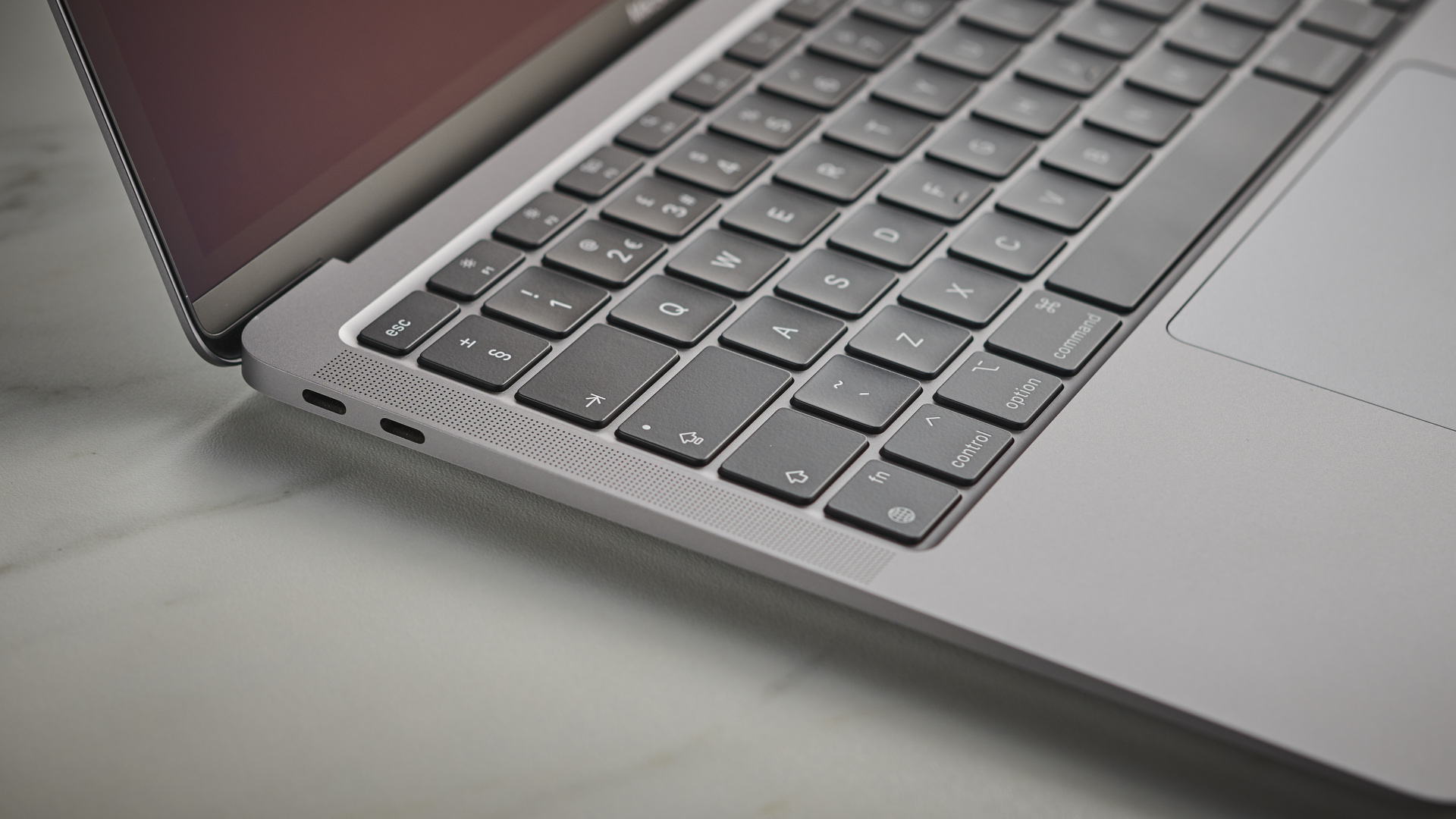
It’s worth noting that USB-C isn’t a data standard, so you can’t tell how fast a given USB-C cable is without looking at its corresponding number (which indicates speed). There are a number of different types of USB-C cables, including USB 2.0, 3.0 and Thunderbolt 4.
In October 2022, the European Union (EU) finalized a regulation requiring companies to include universal USB-C charging ports on all new technology products sold in EU countries from the end of 2024.
Will the iPhone 15 get USB-C?
Apple remains the only manufacturer to not include USB-C ports as standard on its new technology products, with the company’s Lightning ports still a fixture of the best iPhones. However, the EU has told Apple that it has to add USB-C charging ports to any new iPhones sold in Europe from 2024, and the company has confirmed that it will abide by the new law.
What’s more, Apple will reportedly implement the USB-C charging standard a year early, in 2023, with the iPhone 15 line.
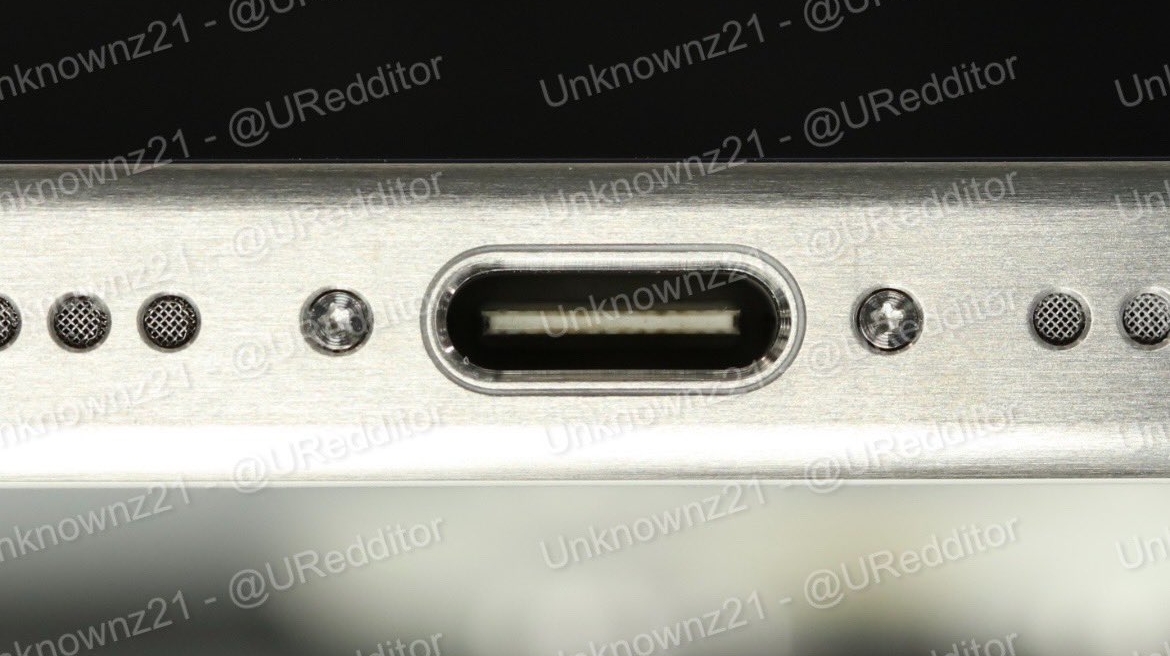
We've actually already seen a photo (above) which allegedly shows an iPhone 15 Pro with a USB-C port, so Apple’s transition to the new charging standard in 2023 is looking ever more likely.
Will USB-C make iPhone 15 charging faster?
If indeed Apple does decide to implement USB-C charging on every model in the iPhone 15 line – as seems likely to be the case – there’s a good chance that the Pro models will offer faster data transfer speeds than their predecessors.
According to seasoned Apple analyst Ming-Chi Kuo, the iPhone 15 Pro and iPhone 15 Ultra will get USB-C ports that support data transfer speeds of up to either 20Gbps or 40Gbps, up from just 480Mbps on current iPhones.
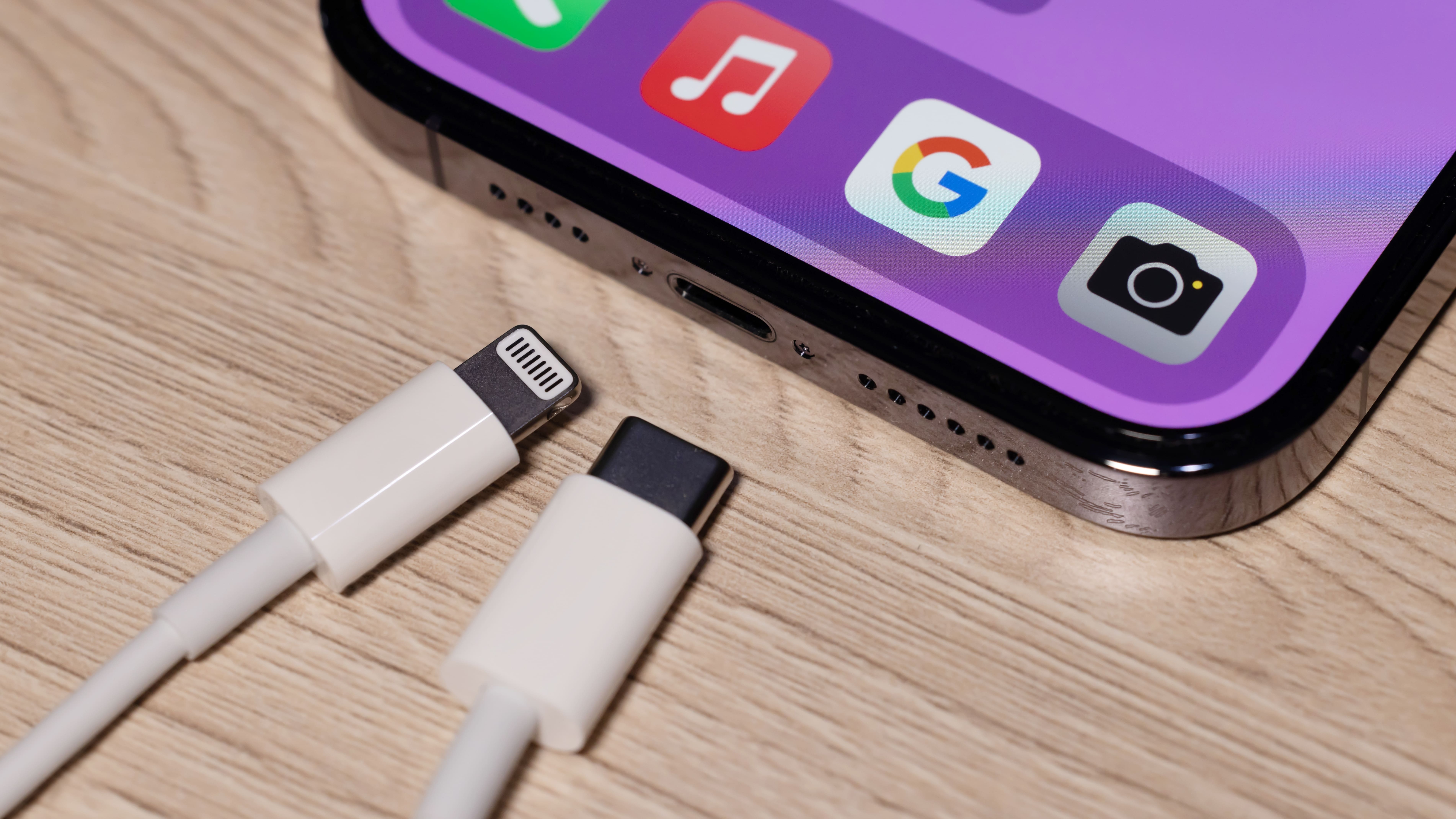
We've since heard similar claims from multiple sources, and USBMakers predicts that the iPhone 15 Ultra could offer transfer speeds that are as much as 90% faster than those offered by the vanilla iPhone 15 (which will reportedly stick with its predecessor's USB 2.0 standard).
Kuo had also suggested that Apple's proprietary MFi (‘Made for iPhone’) USB-C chargers might offer faster iPhone 15 charging speeds than accessories produced by other manufacturers, but the EU recently warned Apple against making such a move, citing its desire to keep the playing field level.
Given that the EU’s directive doesn’t kick in until 2024, there’s no legal obligation for Apple to follow the rules until that date – but it wouldn’t be a great look for the company to knowingly circumvent legislation that it knows is coming into effect in the near future.
It's also worth noting that Apple's transition to USB-C is unlikely to impact the price of the iPhone 15 line.
Comments