iPhone app sideloading is coming soon – but it might not be the money-saving boost you're hoping for
The digital wall around iPhones that has prevented users from downloading non-App Store-approved software to their handsets is about to crack in Europe. But according to a new report, Apple is already planning to patch up the holes punched out by the European Union (EU) laws – meaning sideloading might not be as free as we hoped.
First, let’s step back to April 2022 when the EU – a collection of 27 European countries including France, Germany, and Spain – agreed on the Digital Markets Act. It went into force in November of that year and is designed to tackle issues surrounding Apple’s control of what apps can and can’t be downloaded to iPhones.
By March this year (2024) platforms will need to comply with the EU’s or face disciplinary action.
The law won’t just apply to Apple. Google (which makes Android) and other platforms will also have to abide by the new rules but unlike iPhones, Android phones can already install software that isn’t on the Play Store – Android’s version of Apple’s App Store. By the way, this practice of downloading apps from sources other than the official app stores is called sideloading.
You’re about to experience a new Spotify if you live in the EU. One where you can see all subscription pricing, promotions or deals, and even make purchases, all seamlessly within the app. Find out what this means for you: https://t.co/j1hYRC3S5c pic.twitter.com/p1GDY6PNddJanuary 24, 2024
Apple has fiercely defended its anti-sideloading stance saying it makes iPhones safer and relatively virus-free. Its critics – such as Spotify – will loudly call its system anticompetitive because the App Store takes up to 30% commissions on all purchases made through it and gives Apple’s apps an unfair advantage.
According to a Wall Street Journal report (behind a paywall), Apple’s current plans will still give it oversight of apps downloaded outside of the App Store. What’s more, it plans to take fees from these apps as well. So there might not be all that much difference between App Store and non-App Store apps.
The specifics haven’t yet been revealed but most probably Apple will be able to maintain this level of control by adding new rules to its dev tool license agreement. You need these tools to develop working apps for iPhones whether you publish them through the App Store or not. By altering the license agreement to include the checks and restrictions it normally imposes on the App Store, Apple could comply with the new laws without the situation changing all that much.
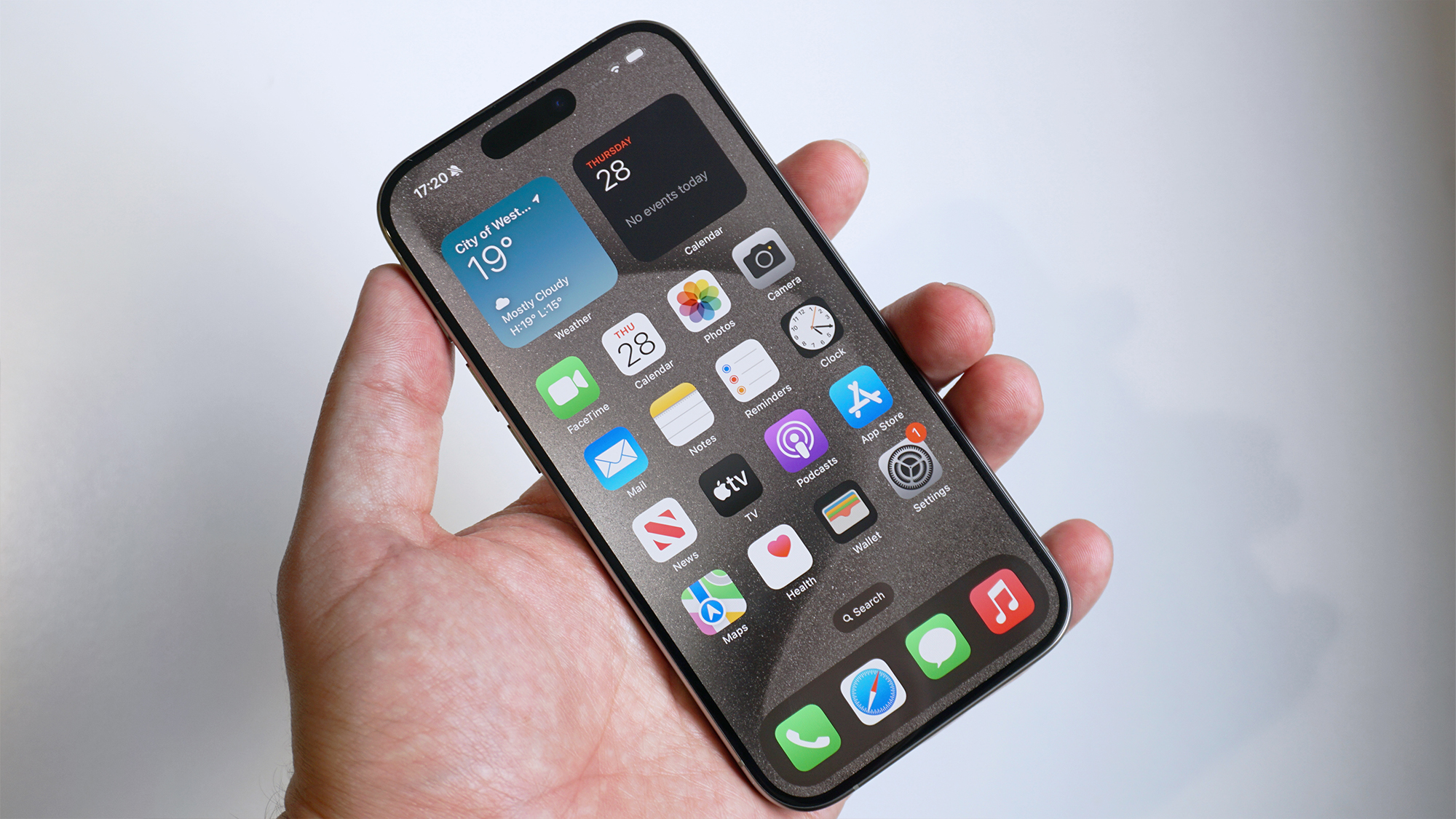
As with all leaks, we should take this report with a pinch of salt. We don’t yet know exactly what approach Apple will take, or even if the EU will see this leaked approach as compliant, but recent history suggests Apple will do the bare minimum it can.
Earlier this year Apple was forced to allow developers to direct app users to payment systems that weren’t Apple’s – the one that currently takes 30% of most third-party payments made through it (small businesses pay a 15% commission). The kicker? Apple will put a 27% commission on payments made using an alternative system. Given the hassle and minimal incentive, many developers have complained this won’t change anything.
Not European? You should still care
If you’re in the US or a post-Brexit UK then you’re probably wondering what all this EU legal stuff has to do with you.
Well, firstly it wouldn’t be the first time EU action has affected the iPhone for everyone. The iPhone 15 models only made the USB-C port switch when they did because of EU legislation and discussions in European nations about tech repairability saw Apple preemptively launch Self Service Repair everywhere.
Even if Apple decides to digitally gate these App Store changes to just the EU it's likely other nations like the US and UK will consider following suit. And if you have one of the best VPN services installed there’s a chance you could make Apple think you’re in the EU and force it to give you access to non-App Store software.
So be on the lookout for changes to how you can use your iPhone in March, though don’t hold your breath for them to be anything too substantial.
Comments