
Android 14 could stop you from installing older apps – and that’s a good thing

A change coming with Android 14 will impose restrictions on the apps that smartphone users can install on their devices, even if they’re sideloading software rather than installing it through the Play Store. 

Google’s change should help stop the spread of malware that takes advantage of exploits found in older builds of its Android OS, though if you’re a frequent sideloader it may make it a little harder to use non-Play Store apps.

The yearly release of the latest Android version – or the latest iOS build from Apple, or Windows OS from Microsoft – doesn’t just bring new features for the best Android smartphones to take advantage of. They also include new hidden security tools that make it tough for hackers to break into your device. Eventually, hackers will find a way through the protections, but by that point, Google will have hopefully moved well beyond even Android 14 to a version of its OS that is still uncracked.

However, finding flaws in ancient Android OS builds isn’t useless. Hackers can create apps that specifically target these older versions of Google’s OS, and can then exploit its flaws to bypass some of the protections on your smartphone if you install it on your device.

Thankfully Google is able to put a stop to a lot of this by putting restrictions on new and updated apps that are available through the Play Store. Right now, newly listed Play Store smartphone apps must target Android 12 or later (or Android 11 and later if they are built for WearOS) to be allowed into Google’s official app store.
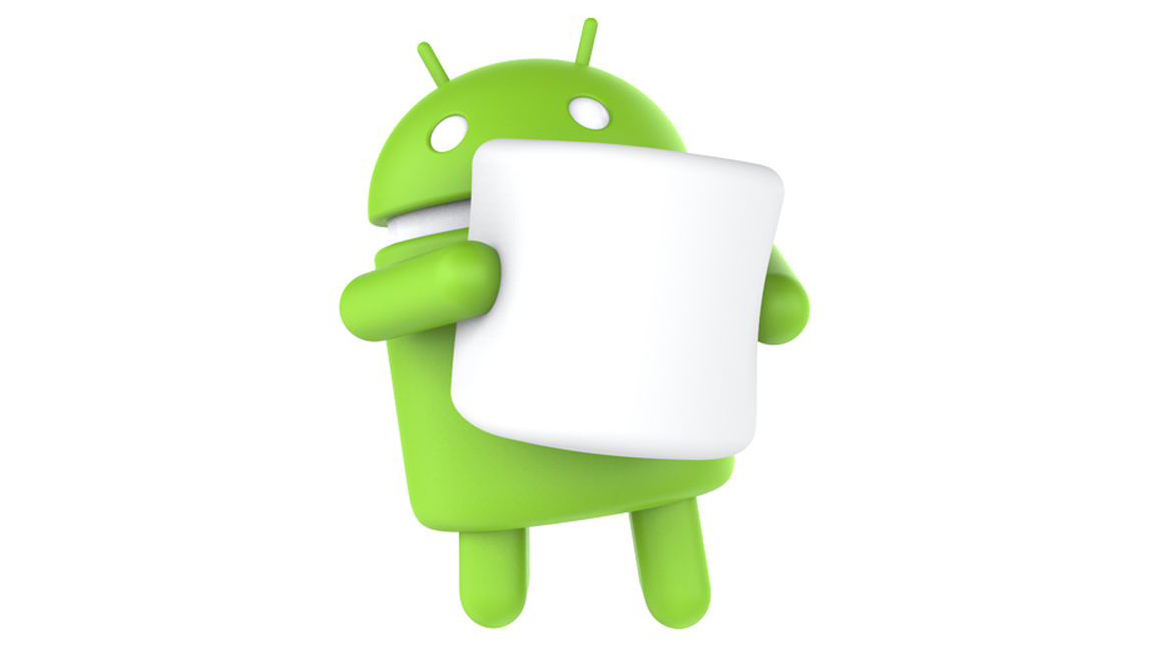
Android mascot holding a Marshmallow

Android 6.0 (Marshmallow) will soon be the earliest build Android apps can target (Image credit: Google)

The big update seemingly coming to Android (via 9to5Google) is that these app restrictions will no longer only exist for Play Store apps. A change in Android 14’s code will mean that users looking to install apps that aren’t available through the Play Store (such as by sideloading APK files) will be blocked from the action if the file targets too old a version of Android.

Initially, the change will only block users from installing apps from Android’s earliest builds, but eventually, sideloaders will be restricted from installing applications that support Android 5 or earlier. So if there’s a non-Google Play Store app you love that’s built on a very old version of Android, you might want to encourage the developer to give it an update before Android 14 rolls out.

That said, you will still be able to install the old app, it’ll just take a few extra steps with a command shell. While this certainly makes the process more tedious it’ll likely greatly reduce the chance someone accidentally sideloads malware onto their hardware as you’ll need to think twice before installing an app.

Over time we expect Google will introduce restrictions that lock users to even later builds of Android. But in the fight against malicious software this strategy seems like a great middle ground that balances security with the freedom that has attracted many users to the platform.

If you don’t mind having your downloads restricted further in the search for a more secure OS, you might want to pick up one of the best iPhones, which are much, much harder to sideload apps onto.


Comments

Popular posts from this blog

The latest Apple TV 4K test lets you watch four sports streams at once

Apple is trying something new with the latest beta version of tvOS 16.5: the option to watch up to four simultaneous streams at once. Right now it's limited to live sports streamed through the Apple TV app on the Apple TV 4K , specifically MLB Friday Night Baseball and the MLS Season Pass. A multi-view option was spotted in the tvOS software last month, but the code was hidden and not enabled. MacRumors reported that the feature would be enabled this weekend, and beta testers have since been able to use it. As yet multi-view hasn't been officially announced by Apple, but it's expected that tvOS 16.5 is going to be pushed out in its final form within the next month or so. WWDC 2023 is around the corner as well, when we should be hearing about the next major updates for Apple's various operating systems – including tvOS 17. How it works Over at 9to5Mac there's a hands-on demonstrating how the multi-view feature works, and it's pretty much as you would expe...

Quantum computers are fast becoming cheaper and smaller — and they could be coming to a data center near you very soon

IonQ claims we’re closer to widespread enterprise quantum computing deployment as it lifted the lid on two rack-mounted models that can be deployed on-premises.   The startup has built the fourth-generation #AQ35 IonQ Forte Enterprise and fifth-generation #AQ64 IonQ Tempo, both of which are designed to be deployed in enterprise and government data centers. It’s also said it is deploying two quantum computers to the US Air Force.  While revealing these two models, IonQ co-founder and CTO Jungsang Kim said quantum computers are already in use by enterprises to churn through machine learning workloads. This, he added, suggests we’re much closer to readily available and affordable machines. Priming enterprises for a quantum future “We believe in the enterprise-grade quantum computing, which is where it can be something of value for enterprises, can happen in the next few years as we build powerful enough quantum computers that can actually do things that classical computers w...

Nvidia RTX 4080 GPU could get cheaper with a new version – but don’t get your hopes up

Nvidia’s RTX 4080 is purportedly getting a new spin on the GPU which could reduce the cost, but any price reduction will likely be very minor, sadly, if it happens at all. Tom’s Hardware flagged up this rumor – and treat it with caution, as with anything from the ever-spinning mill – that originated from HKEPC (a tech site in Hong Kong), claiming that while the current RTX 4080 graphics card is built on the AD103-300 chip, Nvidia is going to use a slightly different GPU in the future, namely AD103-301. There’s now more evidence this is actually happening, Tom’s points out, courtesy of a graphics card maker, Galax, which under its RTX 4080 product details lists the GPU as ‘AD103-300/301’. Furthermore, VideoCardz , which also picked up on this, informs us that Gainward, another card maker, has also listed the updated GPU variant AD103-301 in its product specs. With two separate third-party graphics card makers mentioning this new spin on the GPU in their specs, it seems pret...