The new ATSC 3.0 digital TV standard (aka, NextGen TV) has been slowly making its way to TV stations across the US, with 69 markets serving 60% of US viewers having already made the transition to the next-gen broadcasting standard.
But even with the majority of US households in reach of an upgraded TV station, broadcast industry insiders consider the ATSC 3.0 transition to be stalled, with supported features like 4K video with high dynamic range and Dolby Atmos audio yet to be utilized – a delay NextGen broadcasters attribute to the FCC’s current requirement that they simulcast signals in the older ATSC 1.0 format.
Another reason for the sluggish transition is that only a limited number of the best 4K TVs support ATSC 3.0, while older TVs can’t receive broadcasts in the new format at all. Cheap NextGen TV receivers that connect to an older, non-compatible ATSC 3.0 set using an indoor TV antenna were promoted as part of a Fast Track initiative by the National Association of Broadcasters (NAB) as far back as last October, but so far have yet to appear.
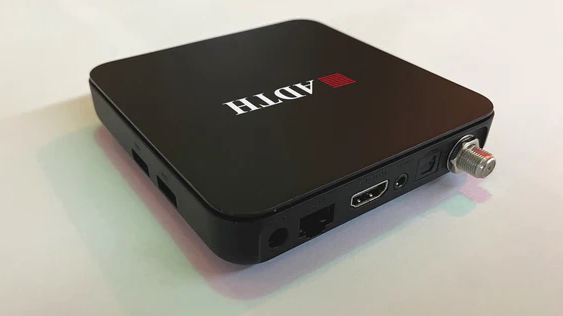
While the situation has been frustrating for both broadcasters and for viewers eager to reap the 4K video and Dolby Atmos audio benefits of ATSC 3.0, there’s now good news on the cheap NextGen TV receiver front. ADTH has announced that its new NextGen TV box is available to pre-order for $80. That’s a significantly lower price than other receivers that have appeared so far on sites like Amazon, and it should allow for many more cost-conscious TV viewers who depend on free over-the-air broadcast TV to make the leap to ATSC 3.0.
The ADTH NextGen TV box is the first external ATSC 3.0 receiver to be certified by the Consumer Technology Association (CTA). It has a compact, puck-like design, and features HDMI and standard A/V outputs, along with an optical digital audio output. An Ethernet port lets you connect it to an internet router, which will allow networked devices in your home to stream TV broadcasts received by the NextGen TV box over Wi-Fi.
ADTH’s NextGen TV box is officially priced at $120, but can be pre-ordered now for $80 from the ADTH website, with units scheduled to ship in July.
Analysis: Cheap receivers are a welcome development, but they’re just one piece of the ATSC 3.0 transition puzzle
With subscription costs for the best streaming services seeing regular hikes, viewers are seeking more cost-effective ways to get their TV fix. Lower-price ad-supported tiers for Netflix, Disney Plus, HBO Max, and other services are one way that’s happening, and another is the FAST (free ad-supported streaming TV) options found on streaming platforms like Amazon Prime Video, Roku, and various smart TVs, along with standalone apps like Pluto and Tubi.
Broadcast TV is a means by which viewers in the US have traditionally accessed free TV channels, and it's one that will continue even as streaming becomes the norm. There’s no reason why the two technologies can’t co-exist, and some platforms like Roku TVs make it easy to integrate broadcast channels within its Live TV Channel Guide, so you can access them alongside streaming options.
The Future of TV, an initiative announced at the recent NAB show that creates working groups dedicated to hardware, technical, and regulatory issues surrounding the ATSC 3.0 transition, could help to accelerate progress so more TV viewers will be able to access and benefit from the new broadcast standard. But the rollout of TVs with built-in NextGen tuners continues to be an issue, with some set makers neglecting to include them in any new models, and others reserving the feature for only their high-end and high-priced offerings.
ADTH’s new NextGen tuner helps to solve the TV problem by giving viewers an affordable option to upgrade their set to support ATSC 3.0 broadcasting. As more such devices come online, prices should become even cheaper, and there will then be a wider installed base of ATSC 3.0 TVs to receive broadcasts – presumably ones in 4K with HDR and Dolby Atmos sound.
Comments